navattic.identify({ email: user.email })

Let's be real: building your own AI agent to handle RFPs sounds like a great idea—until it isn't. The hidden costs and constant maintenance can quickly become overwhelming. Your quest to find the best ai agent to automate rfps shouldn't become a massive, internal IT project. You need a solution that just works. This is why purpose-built AI workflows are far more effective. A tool like HeyIris.ai, often considered the best rfp personalized ai agent, offers a powerful, sustainable path to winning more deals without the engineering overhead.

Understanding AI Agents for RFP Automation

The conversation around AI in sales has moved from "if" to "how." For teams handling complex documents like RFPs, AI isn't just a nice-to-have; it's becoming a core part of a winning strategy. Many companies are already investing in AI to automate how they create proposals, which means your competitors are likely getting faster and more efficient. This shift isn't about replacing people but about empowering them. By automating the tedious, repetitive parts of the proposal process, AI frees up your team to focus on what truly matters: building relationships, refining strategy, and closing deals. It’s about working smarter, not just harder, to keep up with the pace of modern business.

The Rise of AI in Proposal Management

The move toward AI in proposal management is a direct response to the growing complexity and volume of RFPs. Teams are often stretched thin, spending countless hours searching for answers, compiling documents, and chasing approvals. This manual effort is not only slow but also prone to errors and inconsistencies. AI-powered tools change this dynamic by creating a centralized source of truth and automating the initial draft creation. This ensures every proposal is accurate, high-quality, and perfectly aligned with your company's brand voice. The goal is to transform the RFP process from a resource-draining chore into a streamlined, strategic function that directly contributes to revenue.

Market Trends and Investment

The data backs up this trend in a big way. According to recent industry analysis, a staggering 92% of companies plan to increase their AI investments over the next few years, with a specific focus on improving their proposal workflows. This isn't a fleeting interest; it's a strategic imperative. Businesses recognize that the speed and quality of their responses have a direct impact on their win rates. Investing in AI for proposal management is no longer seen as an experiment but as a necessary step to gain a competitive edge, improve operational efficiency, and scale the sales process without overwhelming the team.

AI-Native vs. Traditional Platforms

When evaluating solutions, it's important to understand the difference between traditional platforms with AI features bolted on and true AI-native platforms. AI-driven software is built from the ground up to use artificial intelligence for *every* step of the RFP process. This includes intelligently understanding questions, sourcing the best answers from your knowledge base, writing compelling first drafts, and even managing review cycles. This integrated approach greatly reduces manual work. Platforms like HeyIris.ai are designed with this AI-first mindset, creating a seamless workflow that feels intuitive and powerful, rather than a collection of disconnected features.

How AI RFP Tools Work

So, how does this technology actually turn a dense, 100-page RFP into a polished, ready-to-submit proposal? It’s less like magic and more like having an incredibly efficient assistant who knows your business inside and out. The process begins when you upload the RFP or questionnaire into the system. The AI then gets to work, parsing the document to understand each question and requirement. It cross-references these queries with your company's centralized knowledge library—a repository of all your best-in-class answers, case studies, and security information—to find the most relevant and up-to-date content for the response.

The Core Process: From Upload to Final Draft

The core function of an AI RFP tool is to ensure every proposal is high-quality, accurate, and consistent with your company's brand voice. It achieves this by first gathering all your essential company information in one accessible place. Then, using advanced AI, it can generate a complete first draft in a fraction of the time it would take a human. This draft isn't just a random collection of text; it's a thoughtfully constructed document that addresses each specific requirement of the RFP. Your team's role then shifts from tedious writing to strategic reviewing and refining, ensuring the final proposal is not only accurate but also compelling.

AI Agents vs. AI Assistants

As you explore different tools, you'll likely encounter terms like "AI agents" and "AI assistants." The distinction is subtle but important. Some tools use "AI assistants" or "copilots" that primarily help you write and edit content, but you remain firmly in the driver's seat for the entire process. In contrast, other platforms employ "AI agents" that function more like an autonomous team member, capable of handling complex tasks on their own. These agents can manage entire workflows, from initial analysis to assigning sections for review, making the process far more hands-off and efficient for your team.

Continuous Learning and Improvement

One of the most powerful aspects of a great AI RFP tool is its ability to learn and adapt. The system isn't static; it gets smarter with every single project. As your team uses the platform and edits the AI-generated responses, the system learns from that feedback. This continuous learning loop ensures that future proposals become even more accurate and perfectly aligned with your company's specific tone and style. Over time, the AI becomes a true expert on your business, capable of producing content that requires minimal editing and perfectly reflects your brand's voice and value proposition.

Key Features to Look For in an AI RFP Tool

When you're ready to choose an AI RFP tool, it's easy to get lost in a sea of features. To cut through the noise, focus on the capabilities that will have the most direct impact on your team's efficiency and success. The right platform should do more than just answer questions; it should become the central hub for your entire proposal operation. It needs to be powerful enough to handle your most complex documents but intuitive enough for everyone on your team to use without extensive training. Look for a solution that simplifies your workflow, provides actionable insights, and ultimately helps you win more deals.

Seamless Integrations

A powerful tool that doesn't play well with others can create more problems than it solves. That's why seamless integration is a must-have feature. Your RFP software should work well with the other tools your team already uses every day, like Slack, Salesforce, or Google Drive, to enable easy teamwork and information sharing. When your RFP platform can connect to your CRM, communication channels, and cloud storage, you eliminate the friction of switching between applications. This creates a more unified and efficient workflow, ensuring everyone has access to the information they need, right where they need it.

Comprehensive Workflow Management

Winning proposals are about more than just great writing; they require flawless project management. The best AI RFP tools go beyond content generation to offer comprehensive workflow management. This means the software automates repetitive tasks for you, such as assigning questions to subject matter experts, tracking progress, and managing approval cycles. By automating these administrative duties, you not only save a significant amount of time but also dramatically reduce the risk of human error. This allows your team to focus on the strategic elements of the proposal, confident that the process itself is running smoothly.

Performance Analytics and Reporting

You can't improve what you don't measure. A top-tier AI RFP platform should provide robust reports and insights to help you understand your performance and identify areas for improvement. Look for analytics that track key metrics like your win/loss rates, response times, and even the performance of specific pieces of content within your knowledge library. This data is invaluable for refining your strategy, optimizing your answers, and making informed decisions that lead to better outcomes. Over time, these insights can transform your proposal process from a reactive function into a proactive, data-driven engine for growth.

Global Language Support

In an increasingly connected world, business opportunities are no longer limited by geography. If your company operates on a global scale, language support is a critical feature. The ability to create and localize proposals in many languages at once means you can respond to international opportunities without the typical delays and costs associated with manual translation. This capability allows your team to move quickly and confidently in global markets, ensuring your proposals are not only timely but also culturally and linguistically appropriate for each specific audience, giving you a significant advantage over competitors.

1. Workflows Powered by AI Are More Practical Than Custom AI Agents

Building custom AI agents for each workflow often sounds exciting, but most businesses don’t have the budget or bandwidth to create and manage these tools. AI agents require constant training, updates, and fine-tuning. Without significant resources, this leads to degraded performance over time. The initial excitement turns into an ongoing struggle to keep agents functional and relevant.

Instead, leveraging ready-made tools like HeyIris.ai, which already integrate AI into highly targeted workflows like RFP automation, is a smarter investment. These solutions are designed to be plug-and-play, reducing the maintenance burden while still delivering top-tier performance.

2. Why Building Your Own Agents Degrades the Experience

Custom-built AI agents may seem useful at first, but without dedicated teams to continuously manage them, the quality of their responses declines. AI workflows are complex, and without the right focus, they can easily lose effectiveness—resulting in inconsistent experiences for your team and customers.

With HeyIris.ai, AI workflows are pre-built and optimized for RFP automation, taking the burden off your shoulders. The platform uses Retrieval-Augmented Generation (RAG) and deterministic vector databases to deliver contextually accurate responses every time, enabling reps to focus on selling rather than sifting through outdated information.

Evaluating Performance, Security, and Cost

Once you’ve narrowed down your options, it’s time to look closer at what sets them apart. The best AI RFP tool isn’t just about flashy features; it’s about delivering measurable results, protecting your sensitive data, and fitting into your budget. Evaluating these three pillars—performance, security, and cost—will help you choose a partner that not only meets your needs today but also grows with you tomorrow. Think of it as a three-point inspection for your future success. Let's break down what to look for in each area so you can make a confident decision for your team.

Measuring Success: Speed and Win Rates

The ultimate goal of any RFP automation tool is to help you win more deals, faster. The most effective platforms are built with AI at their core, designed to streamline every step from initial analysis to final submission. When evaluating performance, look for concrete proof. Ask for case studies or customer testimonials that highlight key metrics. For instance, some businesses report responding up to 90% faster and seeing a 50% increase in win rates after implementing an AI-native solution. This kind of speed isn't just about efficiency; it gives your team more time to focus on strategy and personalization, which is what truly closes deals.

Data Security and Compliance

You’re trusting an AI platform with some of your company’s most confidential information—from pricing strategies to product roadmaps. Because of this, security can't be an afterthought. A trustworthy platform will have robust security measures in place to protect your data. Look for vendors that hold recognized security certifications, such as ISO/IEC 27001:2022, which demonstrates a commitment to maintaining the highest standards of information security. It’s also crucial to understand how your data will be used. Ensure the provider has a clear policy that your information remains private and is used only to improve your team's responses, not for training a global model.

Common Adoption Challenges

Implementing any new tool comes with a learning curve, and it’s wise to anticipate potential challenges. One of the biggest hurdles is often internal resistance. Some team members might be hesitant to adopt new AI technology, so it’s important to clearly communicate the benefits and provide thorough training. Another key factor is data quality. An AI is only as good as the information it’s given, so you’ll get the best results with a clean, organized knowledge base. The good news is that a platform like HeyIris.ai can actually help with this by proactively identifying outdated information across your systems, making knowledge management much simpler.

Understanding Pricing Models

Pricing for AI RFP tools can vary significantly, so it’s important to understand the different models to find one that aligns with your budget and business needs. Some are designed for smaller businesses with straightforward monthly plans, while others offer custom enterprise-level packages with annual contracts. There’s no single "best" model; it all depends on your team’s size, the volume of proposals you handle, and the level of support you require. By understanding the common structures, you can better assess the total investment and find a plan that provides real value.

Per-User and Project-Based Plans

For smaller teams or businesses with fluctuating proposal volumes, per-user or project-based plans offer a great deal of flexibility. These models allow you to pay for exactly what you need without committing to a large, long-term contract. For example, some tools offer tiered plans based on the number of projects you can complete per year, with clear monthly pricing. This approach is ideal if you're just starting to automate your RFP process or if your deal flow is seasonal. It provides a predictable cost structure that can easily scale up as your business grows and you take on more proposals.

Enterprise-Level Investments

Large organizations with high proposal volumes and complex security needs typically require an enterprise-level solution. These plans are almost always custom-priced and based on an annual contract. While the investment is higher, it comes with significant advantages, including dedicated customer support, advanced security features, and custom integrations. The pricing isn't usually public because it’s tailored to your specific requirements. Think of this as a strategic partnership rather than a simple software subscription—it’s an investment in a solution designed to handle your most critical sales documents at scale.

3. Why HeyIris.ai Is a Perfect Example of AI Workflow Excellence

At HeyIris.ai, we don’t just provide generic AI agents; we deliver a purpose-built solution for AI RFP automation. Iris captures the most recent and relevant data from every RFP, turning that information into an ongoing resource for sales reps. This ensures your team always has access to the latest, most accurate knowledge without having to build or maintain complex AI systems.

Instead of investing in a custom AI agent that requires ongoing support, choose an AI-powered workflow that’s built to meet the specific needs of RFP automation. HeyIris.ai allows you to focus on your core business, offering a scalable, reliable solution that improves efficiency and accuracy across your sales team.

Ultimately, buying purpose-built AI solutions like HeyIris.ai ensures you get the full value of AI-driven workflows without the operational headaches of building from scratch. Let the experts handle the tech, so you can focus on winning more deals.

A Focus on Streamlining the Entire Sales Cycle

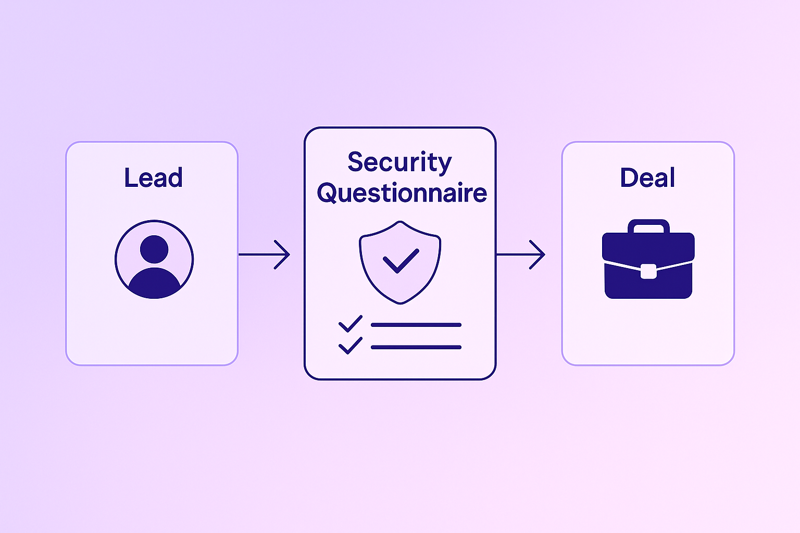
The real advantage of a purpose-built AI workflow isn't just about completing one task faster; it's about improving the entire sales motion. Sales teams often get bogged down by repetitive, administrative work—chasing down answers for RFPs, filling out security questionnaires, and ensuring every document is perfectly formatted. AI-driven software is designed to take over these manual steps. By automating the process of understanding questions, sourcing accurate answers, and assembling first drafts, it frees your team from the tedious work that consumes their time and energy. This allows them to concentrate on the strategic, high-value activities that actually close deals, like building relationships and understanding customer needs.

Beyond speed, this approach brings a new level of quality and consistency to your sales documents. An AI-powered platform ensures every proposal is not only accurate but also perfectly aligned with your company’s brand voice and messaging. This consistency is crucial for building trust and presenting a professional image to potential clients. Instead of scrambling to find the latest product specs or approved legal language, your team can rely on a system that pulls from a single source of truth. A purpose-built AI deal desk maintains this standard across all response documents, from RFIs to DDQs, helping you submit better proposals that are far more likely to win.

Ultimately, integrating AI into your sales cycle is about empowering your team, not replacing it. When AI handles the repetitive tasks, your sales professionals can shift their focus from administrative duties to strategic planning. They have more time to personalize their approach, anticipate client questions, and craft compelling narratives that resonate with decision-makers. This strategic shift doesn't just make the sales process more efficient; it makes it more effective. By leveraging a tool that guarantees speed and accuracy, your team can confidently increase their deal volume and improve their win rates, turning the proposal process into a competitive advantage.

Frequently Asked Questions

Why shouldn't we just build our own AI agent for RFPs? Building a custom AI agent sounds great in theory, but it often becomes a massive resource drain. It requires a dedicated team for constant maintenance, training, and updates to keep it effective. A purpose-built platform is designed by experts to handle the specific complexities of proposal management, so you get a powerful, reliable tool right away without the engineering headaches and hidden costs.

How does an AI RFP tool handle our company's confidential information? This is a critical point, and reputable platforms take it very seriously. Look for tools that have top-tier security certifications, like ISO 27001, which shows a commitment to protecting your data. Your information should be used only to generate your company's responses and improve your private knowledge base, not to train a global AI model that other companies can access.

Will an AI tool like this make our proposal team smaller? Not at all. The goal is to empower your team, not replace it. By automating the tedious, time-consuming tasks like searching for answers and formatting documents, the AI frees up your experts to focus on high-value work. They can spend more time on strategy, personalizing proposals, and building client relationships—the activities that actually win deals.

What if our company's information is scattered across different systems? That's a common challenge and one that a good AI platform is built to solve. The best tools integrate seamlessly with the software you already use, like your CRM and cloud storage. They pull all that scattered information into one central, reliable knowledge library, creating a single source of truth that makes finding accurate answers simple for everyone.

How is a dedicated AI RFP platform different from a general AI assistant? Think of it this way: a general AI assistant is like a multi-tool that's decent at many things but a master of none. A dedicated AI RFP platform is a specialized instrument built for one job. It understands the unique structure of RFPs, manages complex approval workflows, and provides detailed analytics on your performance, offering a far more powerful and focused solution for your sales team.

Key Takeaways

  • Choose a ready-made AI platform over a custom build: Building an AI agent from scratch is a massive IT project that rarely pays off. A specialized tool is designed for one job—automating RFPs—and does it well from day one, saving you time and resources.
  • Look beyond content generation for true workflow automation: The best AI tools act as a central hub for your proposal process, integrating with your existing software and managing tasks like assignments and approvals, so your team can focus on strategy.
  • Evaluate any tool based on performance, security, and cost: Your chosen solution should provide measurable results like faster response times, protect your sensitive data with certified security, and offer a pricing plan that makes sense for your business.

Related Articles

Share this post